


Estimated reading time: 4 minutes
Key Takeaways
- A Horsham winery captured a double gold at the Sussex Wine Awards, elevating the region’s profile.
- Horsham District Council amplified the win by featuring the vineyard during its rural business tour.
- The award is projected to boost wine tourism, create jobs, and inspire other growers.
- Council initiatives simplify planning permission and offer grants for vineyard expansion.
- Future festivals and marketing campaigns aim to cement Horsham as a premier wine destination.
Table of Contents
Horsham District Council’s Support
For years, Horsham District Council has been a champion of rural enterprise, tailoring policies that nurture viticulture. From streamlining planning permission to offering hands-on guidance on sustainable growing practices, the council’s approach has been described by local winemakers as “a vital safety net and springboard.”
Key elements of this support include specialised advisory clinics, grant programmes for equipment upgrades, and workshops led by industry experts. *Each initiative reflects an understanding that a thriving wine sector can ripple benefits across the wider rural economy.*
Highlights from the Business Tour
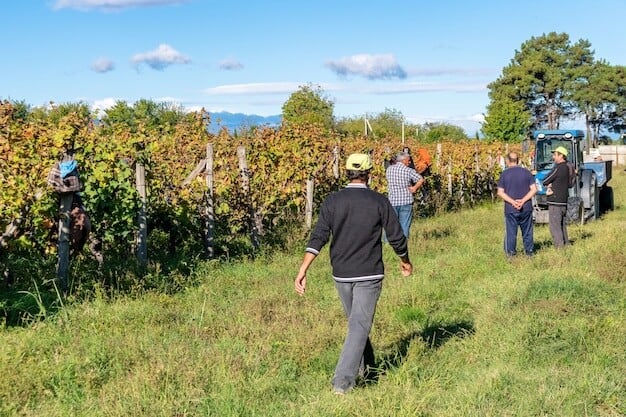
Last month’s council-organised business tour unfolded like a tasting menu of Horsham’s viticultural strengths. Delegates visited family-run estates, exchanged insights on canopy management, and witnessed live demonstrations of drought-resilient rootstocks.
- Interactive sessions on organic pest control drew particular interest.
- Networking breaks paired local cheeses with award-winning vintages—an instant talking point.
- Participants toured the double-gold cellar, inspiring peers to “reach for the same sparkle.”
According to organisers, the tour was less about ceremony and more about creating a *shared blueprint* for growth.
Impact of the Double Gold Award
Securing a double gold at the Sussex Wine Awards has proven transformative. Orders surged within 48 hours, prompting the vineyard to double bottling shifts. More broadly, *wine-trail* enquiries to the local tourism office jumped by 35%.
Economic ripples are already visible:
- A rise in weekend cellar-door traffic boosting cafés and B&Bs.
- Local cooperages reporting fresh orders for oak barrels.
- New apprenticeship roles in viticulture and hospitality.
“This accolade is a win for the whole district,” the vineyard owner remarked, adding that community backing had been *as essential as the terroir itself.*
Future Prospects
Looking ahead, the council plans to unveil a Horsham Wine Week festival, complete with vineyard shuttles, masterclasses, and pop-up markets. Grants for solar-powered frost-control fans are also on the table, signalling a push toward greener production.
- Enhanced branding campaigns targeting London restaurateurs.
- Collaborations with universities on yeast-strain R&D.
- Plans to integrate vineyards into local cycling routes, boosting eco-tourism.
Council spokespersons affirm that *innovation and sustainability* will steer all upcoming projects.
Conclusion
The double-gold triumph crystallises Horsham’s emergence as a serious player in English wine. By marrying municipal support with growers’ ambition, the district is crafting more than a beverage—it is shaping an economic ecosystem. For residents and visitors alike, now is the perfect moment to raise a glass to Horsham’s bright vinous future.
FAQs
How does a “double gold” differ from other wine accolades?
A double gold signifies unanimous top scores from all judges—an honour reserved for wines exhibiting exceptional balance, complexity, and character.
Will the award-winning wine be available internationally?
Yes. Distributors have confirmed shipments to select European markets, with transatlantic exports projected for next year.
Can other vineyards access council grants for expansion?
Absolutely. The council’s rural business fund welcomes applications from any vineyard meeting sustainability and growth criteria.
When is the inaugural Horsham Wine Week expected?
Provisional dates point to early autumn, aligning with harvest season to maximise visitor engagement and experiential tours.