


Estimated reading time: 6 minutes
Key Takeaways
- Horsham Council officially recognises Horsham Valley Vineyard, spotlighting the rise of English wines.
- Sustainable practices and local employment gain high praise.
- Recognition is poised to boost tourism and bolster *West Sussex’s* economy.
- Council support signals a broader commitment to nurturing local businesses.
- Community engagement remains central to the vineyard’s continued success.
Table of Contents
Background on Horsham Valley Vineyard
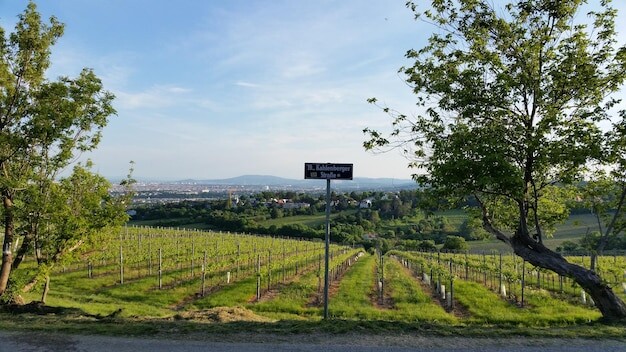
Founded with a vision to craft premium English wines, Horsham Valley Vineyard began as a small plot and has flourished into a celebrated Sussex estate. Its journey mirrors the county’s winemaking heritage, dating back to Romans and Normans who first recognised the terroir’s potential.
- Established as a prominent name in West Sussex wine.
- Driven by a passion for quality and innovation.
- Grew from humble beginnings to a cornerstone of the local wine scene.
Details of Council Recognition
In a statement issued by Horsham Council, officials commended the vineyard’s sustainable viticulture, high-quality production, and contribution to local employment. Council leader Jane Smith noted, “By championing businesses like Horsham Valley Vineyard, we invest in the future prosperity of West Sussex.”
- Official endorsement underscores commitment to sustainable agriculture.
- Recognition acts as a catalyst for economic growth and tourism.
- Signals broader support for Sussex’s burgeoning wine sector.
Wine Quality and Production
Horsham Valley Vineyard combines *traditional craftsmanship* with modern techniques to produce varietals perfectly suited to the local climate. According to WineGB, English sparkling wines are gaining global acclaim, and Horsham Valley is at the forefront of this trend.
- Focus on chardonnay, pinot noir, and pinot meunier, which thrive in Sussex soils.
- Sustainable vineyard management reduces environmental impact.
- Partnerships with renowned English winemakers enhance expertise.
Impact on the Local Economy & Tourism
The vineyard’s recognition is expected to fuel a rise in wine tourism across Horsham and beyond. Sussex Modern reports that vineyard visits have increased by 25% year-on-year, stimulating growth in hospitality, retail, and cultural sectors.
- More visitors mean increased spend in local restaurants and hotels.
- Ripple effect supports suppliers—from farmers to artisans.
- Investment flows into infrastructure and community initiatives.
Community Support and Involvement
Local enthusiasm for Horsham Valley Vineyard is palpable. From hosting harvest festivals to supporting charitable wine auctions, the vineyard fosters a sense of unity. One volunteer remarked, “Working the vines each season connects us to our heritage and future.”
Council’s Role in Supporting Local Businesses
Horsham Council’s economic strategy includes grants, marketing campaigns, and infrastructure improvements aimed at bolstering local enterprises. The success of Horsham Valley Vineyard showcases how proactive governance can cultivate a thriving business ecosystem.
Awards and Achievements
Over the past five years, the vineyard has secured gold medals at the South East Wine Awards and earned high scores from leading critics. Such accolades elevate both the vineyard’s profile and Sussex’s status as a premier wine destination.
Conclusion & Future Outlook
Horsham Council’s recognition of Horsham Valley Vineyard heralds a bright future for West Sussex wines. With plans to expand its cellar door experiences, invest in renewable energy, and launch new sparkling labels, the vineyard is poised for continued growth. As council support, community engagement, and industry innovations align, Horsham’s place on the English wine map is set to shine.
FAQ
Why did Horsham Council recognise the vineyard?
The council acknowledged the vineyard’s sustainable practices, high-quality production, and positive impact on employment and tourism.
Can the public visit Horsham Valley Vineyard?
Yes, guided tours and tastings are available year-round, allowing visitors to explore the vines, cellar, and tasting room.
How will this recognition affect local businesses?
Increased visitor numbers are expected to boost spending in nearby shops, restaurants, and accommodations, creating a ripple effect of economic growth.
What makes Sussex wines unique?
Sussex’s chalky soils and mild climate offer ideal conditions for cool-climate varietals, resulting in vibrant acidity and complex flavour profiles that rival Champagne.
Where can I learn more about English wines?
Visit the WineGB website for resources, events, and educational materials on the flourishing English wine industry.