


Estimated reading time: 4 minutes
Key Takeaways
- The all-electric pink waste van signals Horsham Council’s bold push toward greener services.
- Zero-emission operation means cleaner air and *much* quieter streets.
- Cutting-edge tech boosts efficiency while reducing both carbon and noise pollution.
- Residents are already applauding the move, calling it “a bright step for a brighter future.”
- The vehicle is the first in a planned fleet expansion of eco-friendly refuse trucks.
Table of Contents
The Pink Van: Description & Features
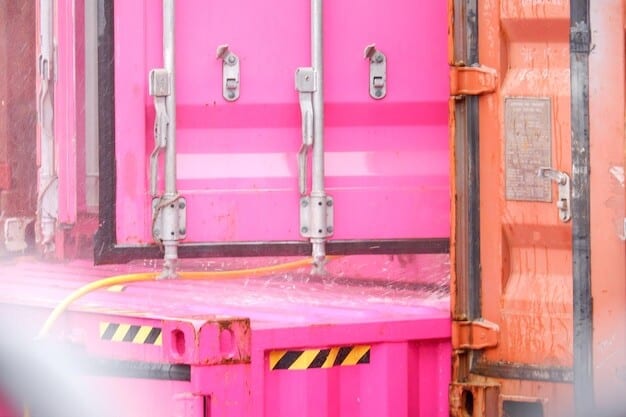
Spot it, tweet it, talk about it: Horsham’s new refuse vehicle is impossible to miss in its bright pink livery, turning waste collection into a visual reminder of sustainability.
- Distinctive Design: The colour choice isn’t just fun—it increases visibility, keeping crews safe and residents alert.
- Advanced Battery Power: State-of-the-art lithium technology delivers a full collection round on a single charge.
- Near-Silent Operation: Early-morning pick-ups now happen with whisper-quiet motors, a welcome change for light sleepers.
“It’s the kind of vehicle our kids will remember as the moment Horsham turned the corner on emissions.” — Local resident
For a deeper dive into the specs, visit the official Horsham Council’s Website.
Environmental Benefits
Switching from diesel to electric eliminates tailpipe emissions altogether, cutting an estimated 30 tonnes of CO2 annually. The van also helps:
- Improve local air quality—particularly around schools and narrow residential lanes.
- Reduce noise pollution by up to 50 dB compared with traditional trucks.
- Inspire residents to rethink their own transport choices, creating a ripple effect of greener habits.
Small vehicle, sizeable impact. Each silent collection adds up to a cleaner, calmer town.
Operational Efficiency
Behind the vivid paintwork lies a suite of smart software that tells crews the quickest, most fuel-efficient route—*before* they leave the depot.
- Real-time route optimisation cuts collection times by up to 15%.
- Regenerative braking extends battery life while reducing brake-pad waste.
- Onboard sensors flag bin contamination, helping residents recycle more effectively.
Community & Service Impact
The van’s launch has already sparked community pride. Schools are booking talks, and local businesses are exploring fleet electrification partnerships.
Reliability is equally important: fewer moving parts mean less downtime, ensuring collections stay on schedule—even during peak holiday refuse weeks.
Future Developments
Horsham Council confirms it will add three more electric refuse vehicles by 2025, alongside rapid chargers at key depots. The long-term vision: a fully zero-emission fleet by 2030, supported by continued investment in green tech and public engagement campaigns.
FAQs
How long does the van take to charge?
A full charge takes around six hours on a standard depot charger, but rapid points can top up the battery to 80% in just 90 minutes.
Will collections change for residents?
No scheduling changes are planned—the only difference you’ll notice is a quieter, cleaner pick-up.
What happens to the old diesel trucks?
They will be phased out gradually and, where possible, repurposed or sold to councils still transitioning to electric fleets.
Is the pink colour permanent?
Yes. Council representatives say the vibrant hue will remain as a “daily reminder of our climate commitments.”
Where can I find more information?
Full specifications, project updates, and community resources are available on the Horsham Council’s Website.