


Estimated reading time: 7 minutes
Key Takeaways
- Horsham Valley Vineyard is now formally recognised by Horsham Council for its impact on the local wine scene.
- The vineyard’s Gold and Double Gold wins at the 2025 London Tasting Awards boost English wine’s global reputation.
- Planned expansion includes a state-of-the-art winery and enlarged visitor centre, driving rural economic growth.
- Innovative, sustainable viticulture sets new standards for the West Sussex wine industry.
- Agritourism initiatives attract 30,000+ visitors annually, strengthening community ties and local tourism.
Table of Contents
Council Recognition Event
On 15 June 2025, the council chambers buzzed with excitement as local leaders, vineyard staff and wine experts gathered to witness Horsham Council’s formal endorsement of Horsham Valley Vineyard. Councillor Jane Smith, Chair of the Economic Development Committee, praised the vineyard’s “excellence in wine production and community engagement.”
“Their dedication has made them a beacon for West Sussex viticulture.” – Councillor Jane Smith
Criteria for recognition included wine quality, sustainability, and regional economic impact—factors that align perfectly with the council’s growth agenda.
Vineyard Profile
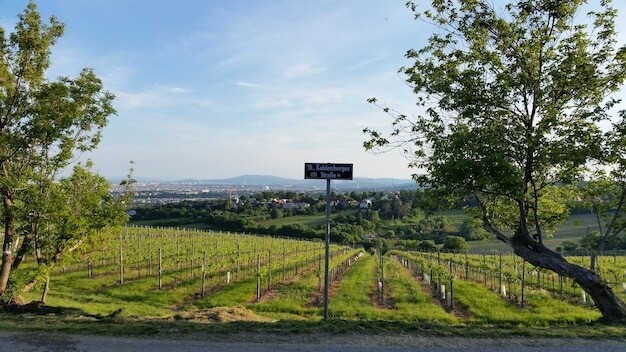
Founded 25 years ago, Horsham Valley Vineyard spans 50 hectares of prime countryside, capitalising on the region’s unique terroir and cool-climate conditions. Specialising in sparkling wines and award-winning Chardonnay, the estate also produces expressive Pinot Noir and aromatic Bacchus.
- Holds numerous national and international accolades.
- Employs a blend of traditional méthode champenoise and cutting-edge technology.
- Exports to top restaurants across the UK and Europe.
Industry Impact
The vineyard’s double victory at the London Tasting Awards propelled English wine onto the global stage. Renowned critic Jancis Robinson remarked that Horsham Valley is “redefining perceptions of cool-climate winemaking.” By setting benchmarks in quality and sustainability, the estate elevates the profile of English wine and attracts media attention worldwide.
Sustainable Practices
Committed to sustainable viticulture, Horsham Valley integrates organic fertilisers, integrated pest management and renewable energy. Dr Sarah Thompson, Head Winemaker, emphasises a holistic philosophy: “Nurturing the land produces wines that speak for themselves.”
- Solar panels supply 60 % of winery power.
- Rainwater harvesting cuts water use by 30 %.
- Low-intervention cellar techniques preserve natural flavour.
Planning & Expansion
Fresh planning permissions will see a 40 % increase in production capacity and an expanded visitor centre by 2027. The modern facility will feature a public viewing gallery, enhancing transparency and visitor engagement.
Key benefits anticipated:
- Creation of 20 new full-time jobs.
- Boost to local supply chains and tourism operators.
- Improved sustainability credentials through green infrastructure.
Agritourism Initiatives
From guided tours to live summer concerts, the vineyard’s agritourism programme welcomed over 30,000 visitors in 2024, generating £2 million in revenue. Visitors rave about vertical tastings and bespoke hamper experiences that pair wine with local artisanal foods.
Community Support
Eighty percent of staff live within 20 miles, reflecting a “local first” hiring policy. Educational partnerships with nearby schools offer apprenticeships in viticulture, while charity fund-raisers and sports sponsorships foster strong community bonds.
Conclusion
Horsham Valley Vineyard’s council recognition marks a pivotal moment for West Sussex wine. With bold expansion plans, sustainable leadership and deep community roots, the vineyard is poised to shape the next chapter of English winemaking.
FAQs
How did Horsham Valley Vineyard win council recognition?
The vineyard met stringent criteria in wine quality, sustainability and economic contribution, impressing Horsham Council’s Economic Development Committee.
When will the new winery be completed?
Construction is underway, with completion slated for 2027.
Can the public visit the vineyard now?
Yes. Guided tours, tastings and seasonal events run year-round. Advance booking is recommended during summer weekends.
What sustainable initiatives are in place?
Initiatives include solar energy, rainwater harvesting, organic fertilisers and integrated pest management, reducing the estate’s carbon footprint.
How does the vineyard support local employment?
By prioritising local hires, offering apprenticeships and collaborating with local suppliers, the vineyard stimulates rural economic growth.